Why 3D Scanning Supports With Site Verification
Wiki Article
Discovering the Applications of 3D Laser Scanning in Archaeology and Cultural Heritage Conservation
The integration of 3D laser scanning technology in archaeology and cultural heritage preservation notes a substantial innovation in just how archaeological sites and artefacts are recorded and assessed. This non-invasive approach gives precise spatial information, disclosing intricate information that were formerly difficult to capture. As the applications of this technology continue to evolve, various effects for documents, preservation, and education emerge, inviting more expedition into its transformative influence on the area.Comprehending 3D Laser Scanning Technology
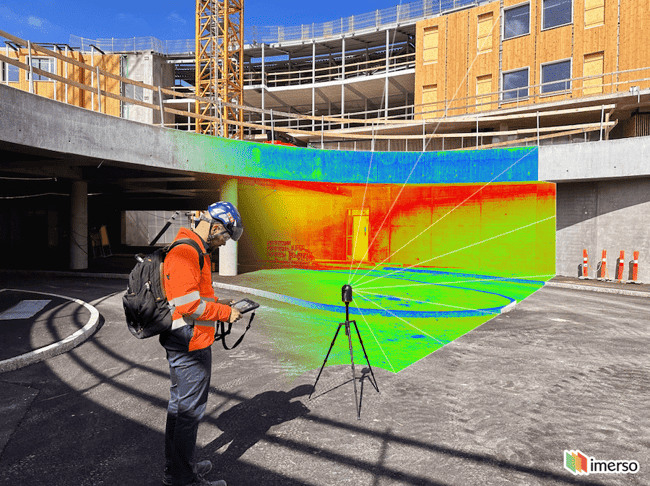
3D laser scanning technology has actually reinvented the field of archaeology by giving comprehensive and precise spatial information. This sophisticated technology employs laser light beams to catch millions of information points from a things or site, creating a very precise three-dimensional representation (3D Scanning). The resulting factor clouds can expose intricate information of archaeological websites, structures, and artefacts that may be undetectable to the naked eyeUsing this technology, excavators can document the precise dimensions, shapes, and placements of items with extraordinary accuracy. This approach minimizes the threat of human error and removes the need for considerable manual measurements. The data gathered can be assessed and shared easily, assisting in collaboration among researchers. By incorporating 3D laser scanning with GIS and various other digital tools, archaeologists boost their ability to imagine and translate historic contexts, leading to deeper insights into old societies and settings.
Enhancing Archaeological Documentation
3D laser scanning considerably boosts historical documentation with its capacity to produce precise website maps. This modern technology facilitates comprehensive artifact analysis, supplying understandings that typical approaches may forget. Additionally, it guarantees the preservation of contextual data, which is vital for comprehending the partnerships within historical websites.Exact Website Mapping
While traditional mapping methods frequently have problem with capturing the elaborate details of historical sites, progressed laser scanning innovation supplies a revolutionary strategy to precise website mapping. This technique enables excavators to produce very described and exact three-dimensional representations of sites, showcasing topographical variations and structural attributes with remarkable integrity. The capability to record millions of information points in a matter of mins enables for comprehensive documents, which can be quickly updated and shared amongst researchers. Additionally, laser scanning helps with the dimension of intricate geometries that would certainly be tough to assess utilizing standard devices. Therefore, this technology improves the precision of site maps, contributing substantially to the preservation and understanding of social heritage sources.In-depth Artefact Evaluation
Laser scanning modern technology greatly enhances the evaluation of archaeological artefacts, providing scientists with unprecedented detail and accuracy. This approach captures elaborate surface area structures, dimensions, and includes that conventional paperwork techniques may forget. By generating high-resolution 3D models, scholars can very closely examine artefacts without the threat of damages intrinsic in physical handling. This precision allows for much better comparative researches, making it possible for specialists to determine manufacturing strategies, stylistic variations, and possible cultural significance. The capability to control and imagine data in three measurements assists in a much deeper understanding of artifact performance and use. On the whole, laser scanning promotes an extra detailed method to archaeological documents, making sure that vital info concerning artefacts is protected for future research and education.Preservation of Contextual Data
Protecting contextual data is essential for boosting archaeological documents, as it ensures that searchings for are recognized within their original ecological and cultural structures. 3D laser scanning innovation considerably adds to this conservation initiative by capturing in-depth spatial partnerships among artifacts, structures, and their settings. By producing exact 3D versions, excavators can document the specific areas and positionings of objects sitting, helping with a complete understanding of their context. This technology makes it possible for scientists to take another look at and analyze sites long after excavation, preserving the stability of contextual information. On top of that, digital documents produced with scanning can be shared internationally, fostering collaborative research study and public engagement. Ultimately, maintaining contextual information via 3D laser scanning enriches archaeological narratives and promotes a more profound recognition of social heritage.Conservation of Cultural Heritage Sites
As advancements in innovation remain to develop, the conservation of social heritage websites has actually become increasingly reliant on ingenious approaches such as 3D laser scanning. This innovation permits the in-depth documentation of frameworks, landscapes, and artefacts, catching their accurate measurements and spatial relationships in a non-invasive way. By producing high-resolution 3D designs, scientists can keep track of and assess damage patterns, enabling aggressive preservation methods.Additionally, 3D laser scanning facilitates the sharing of in-depth website information with the international neighborhood, promoting partnership amongst archaeologists, chroniclers, and preservationists. These models function as very useful resources for education and public interaction, raising awareness of cultural heritage issues. The electronic documents developed can safeguard versus loss due to environmental factors, vandalism, or neglect. Generally, 3D laser scanning represents a transformative approach to the conservation of social heritage, making sure that these websites can be examined and appreciated by future generations.
Restoration and Repair Efforts
The in-depth documentation accomplished through 3D laser scanning plays a considerable role in repair and reconstruction efforts within archaeology. This modern technology offers specific measurements and high-resolution images, permitting for precise electronic models of artifacts and frameworks. These designs function as important recommendations throughout remediation procedures, making it possible for archaeologists to picture the initial design and make informed decisions regarding products and strategies required for fixing.3D laser scanning promotes the repair of damaged or lost elements by creating comprehensive replicas. This process aids in making sure that restorations keep historic honesty while additionally enabling cutting-edge strategies to recover websites. The capacity to assess wear patterns and architectural weak points with scanned information enhances understanding of a site's historical context and its usage over time. Consequently, 3D laser scanning not only preserves the physical aspects of social heritage yet additionally improves the story of history, assisting future repair ventures.
Educational and Research Opportunities
The assimilation of 3D laser scanning in archaeology opens considerable educational and study chances. Academic partnerships can enhance the understanding of ancient websites, while specialized training workshops gear up specialists with vital skills for using this technology. With each other, these efforts promote a richer involvement with archaeological techniques and methods.Academic Collaborations in Archaeology
Collective initiatives in archaeology have actually become significantly necessary for progressing both academic and study chances. By fostering collaborations among colleges, research organizations, and cultural heritage companies, these collaborations help with the exchange of expertise and sources, enhancing the top quality of historical research studies. Joint tasks typically take advantage of varied competence, allowing for cutting-edge approaches and thorough analyses, specifically in the application of technologies like 3D laser scanning. Such partnerships additionally promote interdisciplinary methods, involving areas such as location, conservation, and history science. In enhancement, scholastic partnerships frequently cause the growth of brand-new curricula and training programs, preparing the future generation of archaeologists to effectively make use of innovative technologies in their job. Ultimately, these partnerships add to the conservation and understanding of social heritage.Educating Workshops for Specialists
Training workshops for professionals in archaeology are significantly vital for boosting skills in the application of advanced technologies such as 3D laser scanning. These workshops provide individuals with hands-on experience in making use of link cutting-edge tools and software program, cultivating a much deeper understanding of data capture and analysis procedures. Specialists can discover to create accurate electronic designs of archaeological websites, which markedly help in documents and preservation efforts. In addition, these training sessions commonly include discussions on ideal methods and situation studies, advertising understanding exchange among individuals. By purchasing continuous education and learning, experts can stay upgraded on developing modern technologies, inevitably enhancing the effectiveness of their study and cultural heritage conservation efforts. This dedication to skill enhancement is necessary for advancing the field of archaeology.Future Fads in 3D Laser Scanning for Archaeology
As developments in modern technology continue to improve different areas, the future of 3D laser scanning in archaeology guarantees to enhance both the precision and effectiveness of site paperwork and analysis. Arising trends suggest a growing assimilation of expert system and device understanding, helping with automated data handling and analysis. This development will enable excavators to evaluate intricate datasets more swiftly, resulting in faster understandings into historical contexts.The integration of drone modern technology with 3D laser scanning is most likely to increase, enabling extensive airborne studies of archaeological sites that are tough to accessibility. The raising affordability directory of scanning devices will democratize gain access to, encouraging smaller sized establishments and independent scientists to use these devices successfully. In addition, innovations in digital truth and increased fact will make it possible for immersive experiences for look at this site public interaction and education and learning, making historical findings extra easily accessible and interactive. These patterns collectively signal a transformative future for archaeology, boosting conservation initiatives and broadening the technique's outreach.
Frequently Asked Questions
Just How Much Does 3D Laser Scanning Devices Cost?
What Are the Limitations of 3D Laser Scanning?
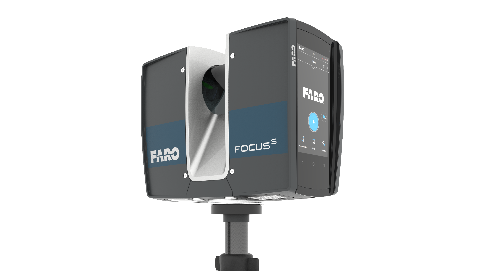
The restrictions of 3D laser scanning include high costs, potential information handling challenges, level of sensitivity to environmental problems, and problem catching complex details in complex surfaces, which can impact the precision and completeness of scanned depictions. (3D Scanning)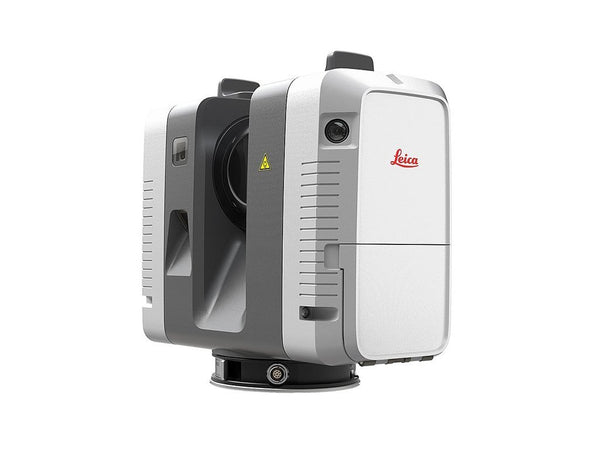
Can 3D Laser Scanning Be Used Underwater?
Yes, 3D laser scanning can be utilized underwater, yet it needs specialized tools and methods to get rid of difficulties such as water distortion and minimal presence. Effective applications have been demonstrated in marine archaeology and undersea studies.How much time Does a Scanning Job Commonly Take?
A scanning project usually takes anywhere from a couple of days to numerous weeks, depending upon the intricacy and dimension of the location being scanned, together with the prep work and post-processing requirements included in the job.Exist Particular Software Demands for Handling 3D Scans?
Yes, particular software requirements for processing 3D scans include programs with the ability of handling big point clouds, such as Autodesk Wrap-up, Cyclone, or MeshLab. These tools facilitate evaluation, visualization, and combination into numerous applications effectively.The assimilation of 3D laser scanning innovation in archaeology and social heritage preservation marks a substantial improvement in how historic sites and artifacts are recorded and evaluated. 3D laser scanning technology has revolutionized the field of archaeology by supplying specific and thorough spatial data. As developments in technology proceed to evolve, the conservation of cultural heritage websites has become significantly dependent on ingenious methods such as 3D laser scanning. As innovations in innovation proceed to reshape different fields, the future of 3D laser scanning in archaeology promises to improve both the precision and efficiency of site documentation and analysis. The integration of drone innovation with 3D laser scanning is likely to increase, making it possible for detailed airborne surveys of archaeological sites that are challenging to access.
Report this wiki page